



Montenegro to close two more chapters today, with eight remaining by year-end

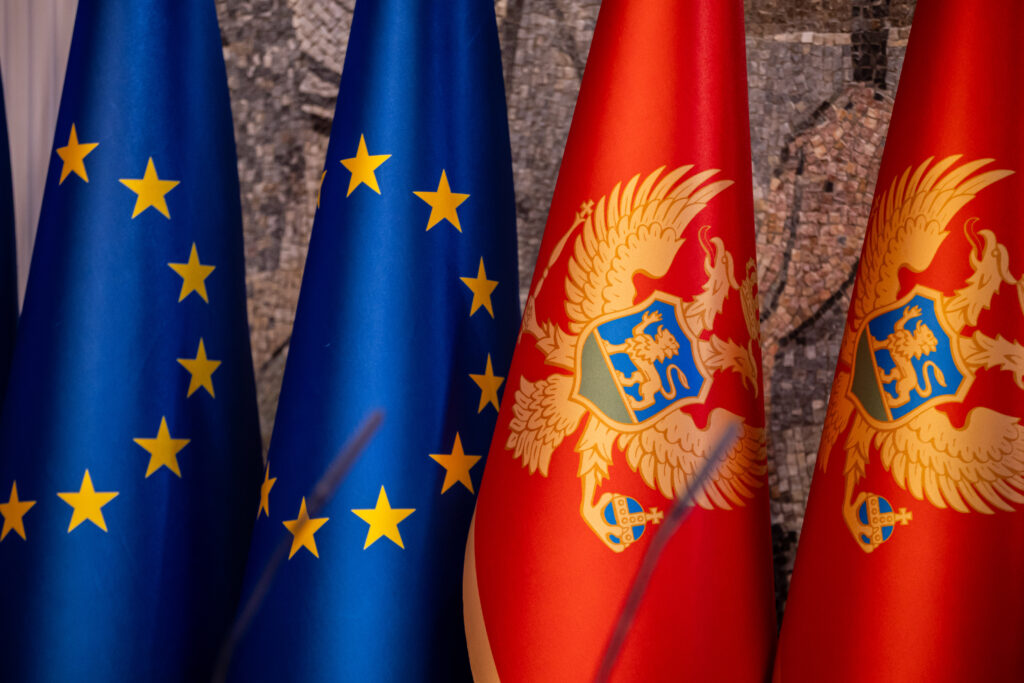
Montenegro will provisionally close two more negotiating chapters with the European Union, Chapters 16 and 22, covering taxation and regional policy and coordination of structural instruments, at today’s Intergovernmental Conference in Brussels. This will bring the total number of provisionally closed chapters to 25 out of 33, leaving eight chapters to be completed before the conclusion of negotiations.
The Intergovernmental Conference is scheduled to begin at around 3:30 p.m., followed by a press conference attended by Prime Minister Milojko Spajić, European Commissioner for Enlargement Marta Kos, and Ireland’s Minister for European Affairs Thomas Byrne, as Ireland currently holds the Presidency of the Council of the European Union.
During Ireland’s six-month Presidency of the Council of the EU, Montenegro provisionally closed seven negotiating chapters.
Following today’s conference, Montenegro will have eight chapters left to close: Chapter 9 - Financial Services; Chapter 14 - Transport Policy; Chapter 15 - Energy; Chapter 23 - Judiciary and Fundamental Rights; Chapter 24 - Justice, Freedom and Security; Chapter 27 - Environment and Climate Change; Chapter 31 - Foreign, Security and Defence Policy; and Chapter 33 - Financial and Budgetary Provisions.
According to the European Commission’s roadmap and the Government’s objectives, the plan is to provisionally close the remaining chapters by the end of December, with the ambition of signing the Accession Treaty in June 2027 and joining the EU in 2028.
The closure of the chapters was also commented on by Minister of European Affairs Maida Gorčević.
She stressed that the closure of Chapter 16, which concerns taxation, would bring more streamlined tax rules, greater business predictability and fairer competition.
Speaking about Chapter 22, which concerns regional policy and coordination of structural instruments, Gorčević emphasised the importance of preparing projects in a timely manner in order to make use of EU funds.
- EU membership will enable us to use cohesion funds to finance better roads, more reliable water supply systems and investments that create new jobs. That is why projects need to be prepared before accession, so that we can make use of the funds once they become available - Gorčević said.