



EUROPE AND MONTENEGRO: Internal obstruction of the European path
After adopting the Law on Internal Affairs and the Law on the National Security Agency despite recommendations from the European Commission, Montenegro has clearly stalled on its European path. Former Croatian Minister of Foreign and European Affairs Vesna Pusić and Montenegrin Ambassador Željko Perović share the view that Serbian parties within the ruling coalition are deliberately obstructing Montenegro’s European integration

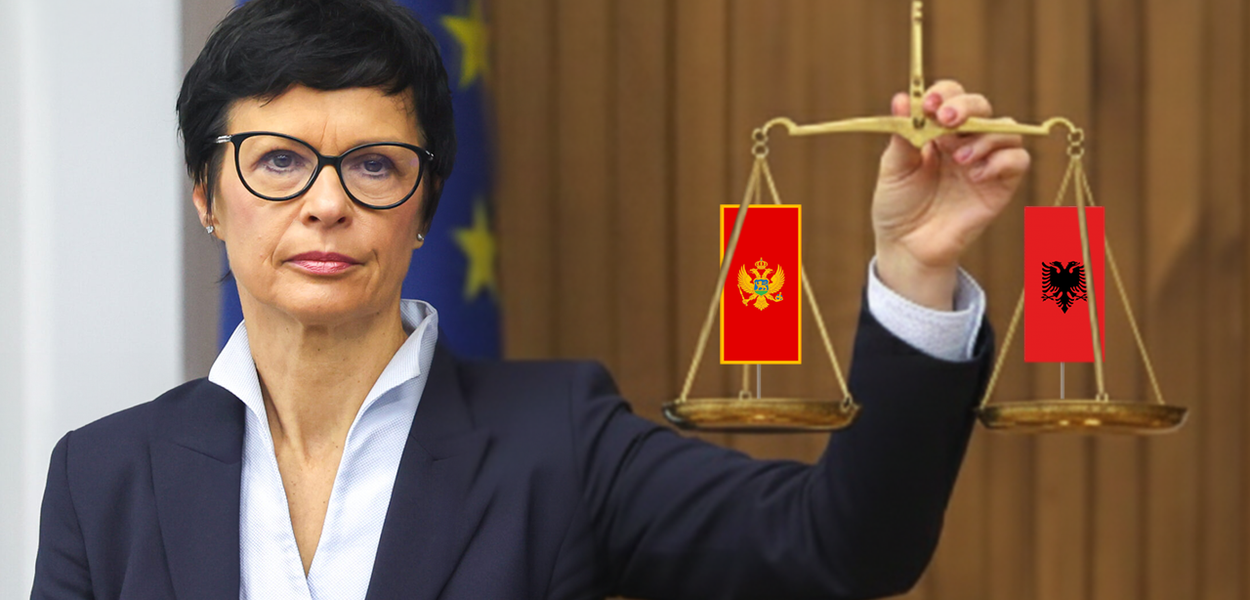
Although Montenegro is the most advanced country in the EU integration process, as European Commission spokesperson Guillaume Mercier told the public broadcaster, Montenegrin officials appear to be competing over who can slow down the country’s path toward Europe the most.
IVANOVIĆ’S „LOBBYING“
After the parliamentary majority adopted controversial amendments to the Law on Internal Affairs and the Law on the National Security Agency, contrary to recommendations from Brussels, a government official made a new blunder, a move contrary to the position of the European Union.
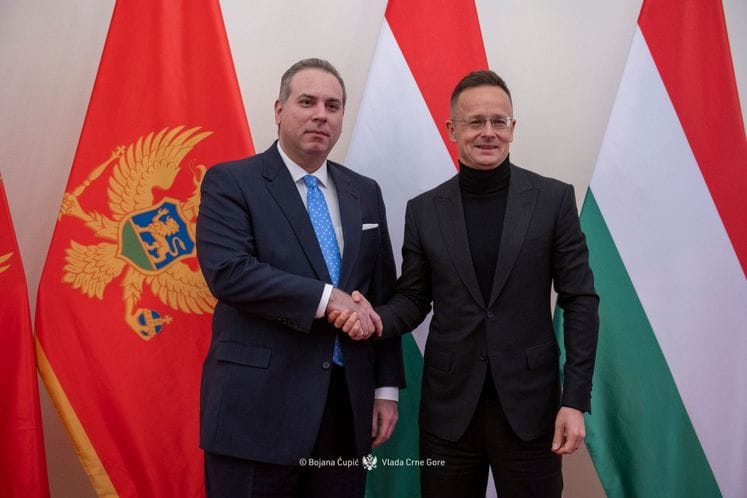
On Tuesday, March 10, the Government announced on its website that Deputy Prime Minister for Foreign and European Affairs Filip Ivanović met in Budapest with Hungarian Foreign Minister Péter Szijjártó. Ivanović’s visit and talks with a prominent official of Orbán’s regime took place in the midst of the election campaign in Hungary, despite recommendations from Brussels that all EU member states, as well as EU candidate countries, remain reserved and refrain from interfering in the course of the Hungarian elections.
It appears that Ivanović, once a staunch opponent of Montenegro’s accession to NATO, who has already discussed European integration with the Metropolitan of the Serbian Orthodox Church in Montenegro, Joanikije, had his own essentially pro-Serbian political agenda. During the election campaign, Hungary was also visited by officials from Bosnia and Herzegovina’s Republika Srpska entity, as well as from Vučić’s Serbia.
THE EUROPE NOW WITHOUT REACTION
Experienced Montenegrin diplomat Ambassador Željko Perović stresses that Ivanović’s move is not merely a coincidence. He says that part of Montenegro’s government, the parties of the former Democratic Front, are openly working against Montenegro’s European path. At the same time, the Europe Now Movement, the largest political group in the Montenegrin parliament, often contributes to this obstruction of the European path through its actions or inaction.
According to Perović, the recent statement by Enlargement Commissioner Marta Kos - referring to Albania as a frontrunner - was not directed against Montenegro, but warnings from Brussels are clearly coming.
- From the first day of her mandate, Marta Kos has tried to send the most positive messages toward Montenegro. Unfortunately, she is a high-ranking official in the Brussels administration, and they act depending on what they see on the ground. In the last few statements, Marta Kos’s remarks have been warnings. Unfortunately, even that was not enough for the Europe Now Movement and the most influential part of the government, and they continue to act as they wish - Perović noted.
PUSIĆ: THEY SAY ONE THING, DO ANOTHER
Professor Vesna Pusić, former Croatian Minister of Foreign and European Affairs, also believes that pro-Vučić forces within Montenegro’s government are working against the country’s European path. She says their public rhetoric has little to do with what they actually think and do - which is to work against Montenegro’s path toward Europe.
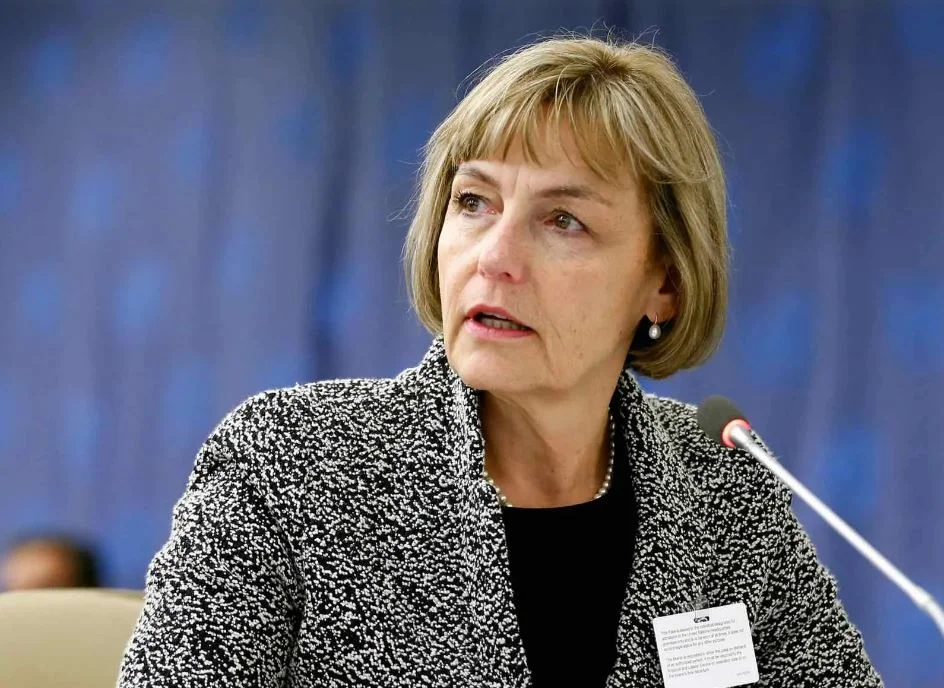
- One thing is what they say, but what matters is what they do. Don’t listen to what they say - look at what they do. And with this law, I think Spajić’s main problem is that he does not have the strength or the courage to resist them. What they are doing with these laws is their contribution to ensuring that Montenegro does not enter the European Union, or at the very least that the timeframe for Montenegro’s accession is extended. That has clearly been their goal from the beginning - Pusić said in a statement for ETV.
According to Ambassador Perović, the adoption of the Law on Internal Affairs and the Law on the National Security Agency has sent a very bad message from Podgorica to Brussels.
- That was the final straw - the forced adoption of the Law on Internal Affairs and the law regulating the secret service. Despite a completely clear warning from Brussels, these two laws were adopted in a forceful manner. What is painful for the civic state of Montenegro is the behavior of minority parties. Despite so many mistakes made by the current government, their insistence on remaining in the Government of Montenegro represents an open betrayal of the Montenegrin state - Perović emphasized.
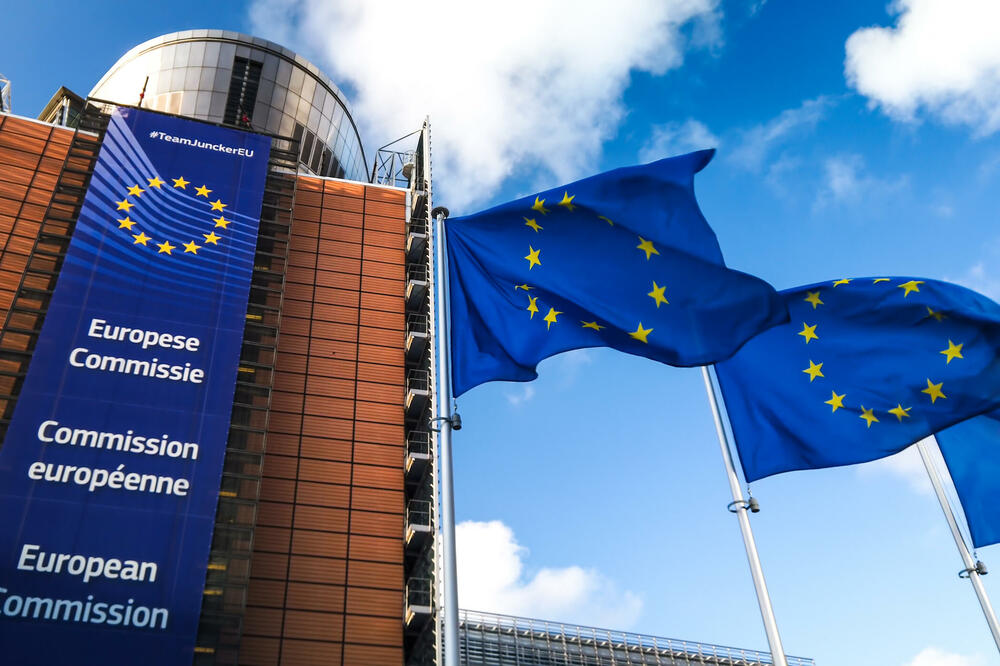
A QUESTION OF THE SURVIVAL OF A SOVEREIGN MONTENEGRO
Professor Pusić told E Television that Montenegro’s path to the European Union is not only a matter of democratization, but above all a key issue for the future - the survival of an independent and sovereign Montenegro.
- Montenegro’s accession to the European Union is not so much about improving democracy, but primarily about the survival of Montenegro as an independent state. I believe that the group obstructing this understands that very well. That is the main reason for the obstruction and for inventing various obstacles and ideas that prevent, or at least delay, Montenegro’s accession and its chances to complete this process relatively quickly - Pusić assessed.
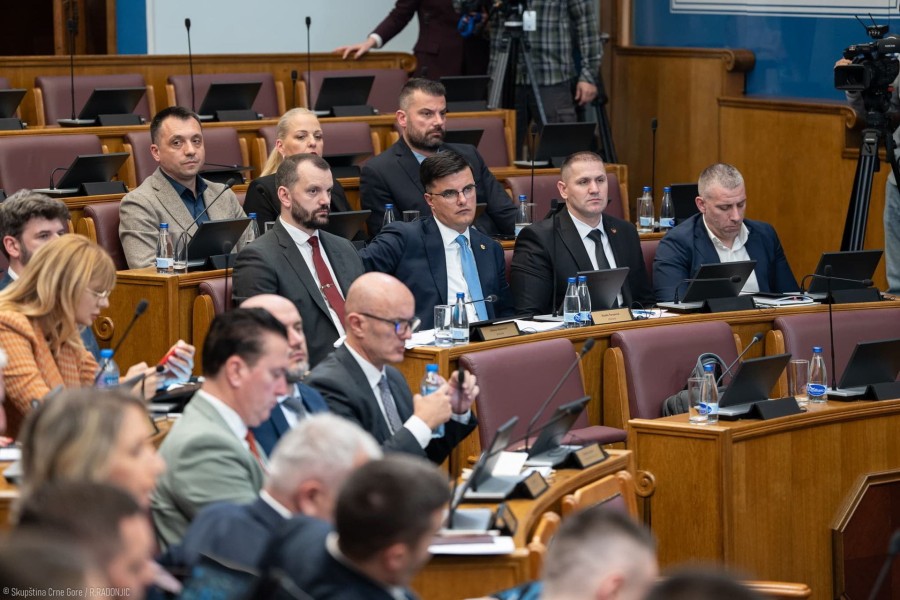
STAYING IN POWER MORE IMPORTANT THAN THE EUROPEAN PATH
She believes that the two laws adopted in haste represent another victory for those who use all their strength and abilities to prevent Montenegro from joining the European Union relatively quickly.
How important it is for the Serbian parties that control the parliamentary majority to adopt amendments to the Law on Internal Affairs and the Law on the National Security Agency, regardless of the political cost, is also demonstrated by the intention of the Democrats led by Aleksa Bečić to place them on the agenda of tomorrow’s parliamentary session.
After objections from the leadership of the Bosniak Party, the parliament will discuss them next Thursday, regardless of the warnings coming from Brussels.
This means that, more than Montenegro’s European path, what matters most to Spajić and the leadership of the Europe Now Movement is remaining in power.