



A long road to Europe
After numerous unfulfilled promises by the government of Milojko Spajić, concern is growing within the European Commission in Brussels that Montenegro is not adhering to the agreed deadlines for implementing reforms. Because of this, Professor Zlatko Vujović emphasizes that it is difficult to expect Montenegro to close all negotiating chapters by the end of 2026, as had been announced by the parliamentary majority


Although officially there is no dispute between the European Commission and the government of Milojko Spajić, unofficially, but in reality - Brussels has been unpleasantly surprised by the latest moves of the authorities in Podgorica.
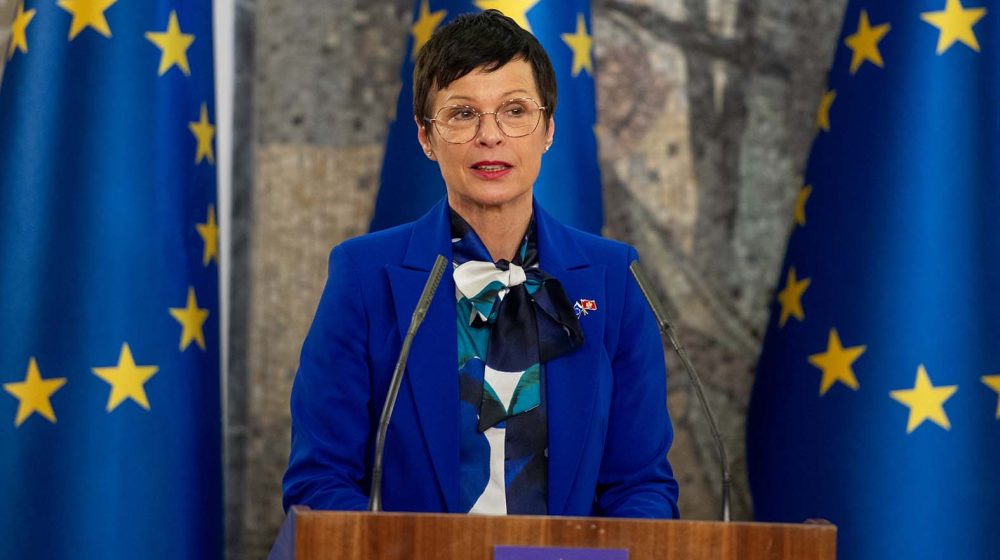
European Commissioner for Enlargement Marta Kos asked Prime Minister Spajić to explain why Members of Parliament from the Europe Now Movement, who claim to be pro-European, voted for amendments to the Law on Internal Affairs and the Law on the National Security Agency, which the European Commission assessed as being contrary to the legal framework of the European Union.
SPAJIĆ’S UNSUCCESFUL MISSION
According to sources from Brussels, last week Prime Minister Spajić tried, through indirect channels, to inform EU foreign policy chief Kaja Kallas that - in order to maintain the ruling coalition - it was necessary to adopt amendments to the two disputed laws proposed by the Democrats of Aleksa Bečić.
The European Commission is concerned that Montenegro is not respecting the agreed deadlines for implementing reforms.

A source from the office of the Vice-President of the European Commission points out that the results of the EU accession negotiations are poor. According to the assessment as of March 1, 2026, the European findings indicate that, at the current pace, 10 to 12 negotiating chapters will remain open by the end of the year. Even in an optimistic scenario, at least five chapters will remain unclosed.
CLOSING ONLY ONE CHAPTER
Therefore, instead of closing three or even five chapters, only one chapter will be closed at the intergovernmental conference in Brussels on March 17 - Chapter 21, Trans-European Networks.

That only one chapter will be closed in Brussels on Monday was recently confirmed by Minister of European Integration Maida Gorčević.
- What awaits us on March 17 is a new intergovernmental conference and the closing of one negotiating chapter - Chapter 21, Trans-European Networks - said Gorčević.
IGNORED WARNINGS
The European Commission has repeatedly pointed out to Montenegrin officials that the agriculture and environmental sectors are „bottlenecks for EU integration and that urgent personnel changes are needed in those sectors“. However, for the sake of stability within the ruling coalition, Prime Minister Spajić does not want to dismiss Minister of Agriculture and leader of the Socialist People’s Party Vladimir Joković.
Spajić also ignored the December recommendation from Brussels to reduce the number of ministries to a maximum of twenty through a government reconstruction.
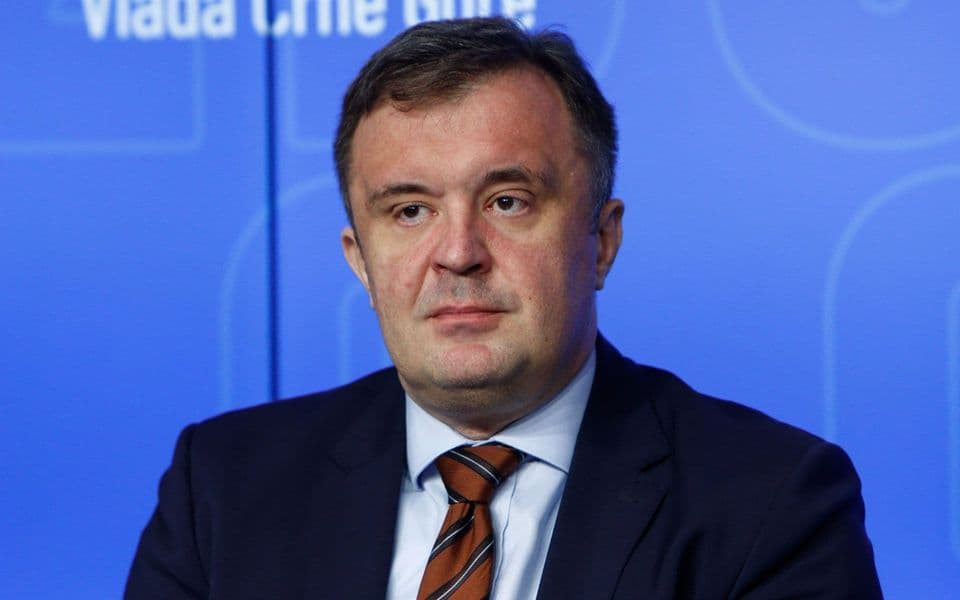
Political analyst and professor Zlatko Vujović, speaking to ETV, assesses that the information coming from Brussels is very worrying.
- In Brussels they believe they lack an adequate partner on the Montenegrin side, and we see that instead of accelerating the process of closing chapters, it is slowing down. If things continue like this, it will be very difficult to expect the negotiation process to be completed by the end of 2026 - Vujović emphasized.
He believes that closing all negotiating chapters would only be possible if Brussels makes a political decision, even though Montenegrin ministries have not fulfilled the promised European agenda. According to him, Montenegrin state institutions - with the exception of the Ministry of European Affairs - are ignoring Brussels’ demands.
VUJOVIĆ: BAD SIGNALS FROM PODGORICA
- The political climate regarding negotiations is deteriorating not only in Montenegro but also in Brussels. Those who are skeptical about Montenegro joining the European Union are receiving more and more arguments from Montenegro itself that it is overly ambitious to expect all chapters to be closed by the end of 2026. This is very worrying because nothing is being done in the Government of Montenegro by key actors to prevent this. On the contrary, signals have been sent to Brussels that the forces dominating the government are, frankly speaking, against Montenegro’s membership in the European Union - Vujović said.
His assessment that strong forces within the Montenegrin government do not want Montenegro in the EU is also supported by the government’s practice of failing to fulfill its own promises made to Brussels.
UNFULFILLED PROMISES FROM PODGORICA
This refers to the situation in public companies and the public administration, which serve as a reservoir for employing supporters of ruling parties that have divided government sectors among themselves like feudal domains.
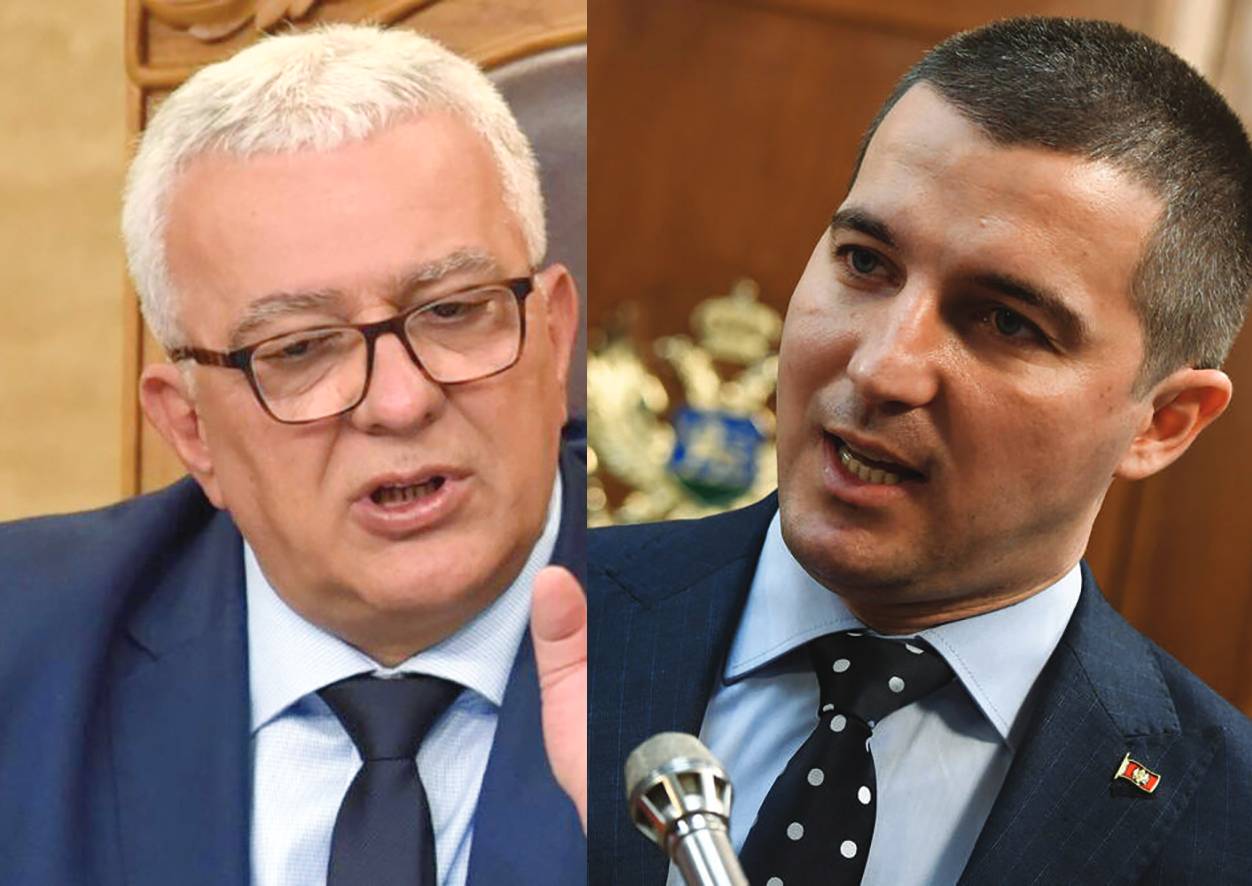
After the adoption of the Law on Internal Affairs and the Law on the NSA, the Democrats of Aleksa Bečić will eliminate several hundred police officers in the coming months and replace them with party-loyal personnel.
The European Commission also recently warned Prime Minister Spajić that the management of the Electric Power Company of Montenegro had demonstrated managerial incompetence and that the state company had been overcrowded with incapable staff loyal to Andrija Mandić’s New Serbian Democracy.
According to publicly available data, as of December 2025, excess employment in the public administration exceeds 30 percent of the workforce. This indicates that the trend of party-based hiring continues, with each party in the parliamentary majority doing the same within the sectors assigned to it by coalition agreement.
Because of all these indicators, the announcement by the Europe Now Movement and Prime Minister Milojko Spajić that Montenegro could join the European Union in 2028 now appears to be yet another empty, unfulfilled promise by the post-August government.