


Vuković: Euro Model is a carefully planned eform, Montenegro’s economic readiness for EU membership as important as closing negotiating chapters
Experience from previous waves of EU enlargement shows that differences in wages and living standards can encourage domestic workers to move to more developed labour markets. Our response to this challenge must be to create better conditions at home - higher-quality jobs, more competitive wages and a business environment that gives people a reason to stay, work and develop their potential in Montenegro - Vuković said

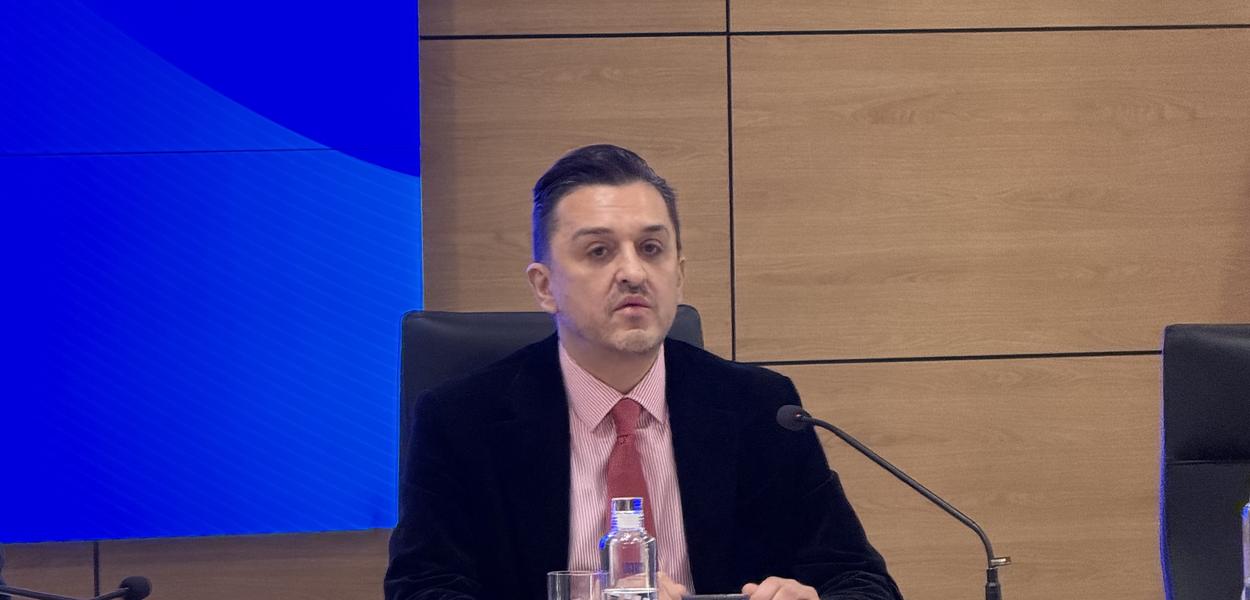
The Euro Model is not designed as an isolated wage-increase measure, but rather as a carefully planned reform that includes a broader package of compensatory measures intended to mitigate its fiscal impact and ensure the stability of public finances in the medium and long term - Finance Minister Novica Vuković said.
According to a statement, Vuković said that from the very beginning, the ministry he heads had approached the reform with a clear understanding of the need to achieve its positive economic and social effects while preserving fiscal sustainability.
- Fiscal policy must remain responsible, focused on maintaining public finance stability, controlling expenditure and creating room for development and infrastructure investments. This is particularly important in the years leading up to EU membership, when we want to make full use of the opportunities available through European funds and other development instruments - Vuković stressed.
According to him, the Government is aware of all the challenges and confident that they will be successfully overcome, as they have been in the past.
- Through strong fiscal consolidation measures, we will lay the foundations for significant stabilisation of fiscal indicators, namely the budget deficit and public debt - Vuković said.
Montenegro’s economic readiness for EU membership is just as important as meeting the closing benchmarks and concluding negotiations on the remaining chapters, he stressed.
- The Euro Model demonstrates the Montenegrin Government’s unequivocal commitment to achieving this goal, while European integration provides the framework within which we want to turn its development potential, together with other reforms, into long-term benefits for citizens and businesses. We continue to work on these principles, with a clear objective: for Montenegro not only to become the next EU Member State, but also an economy that is genuinely prepared for membership - Vuković said.
Vuković thanked representatives of the International Monetary Fund (IMF) for another successfully completed mission and for the open, constructive and substantive dialogue held over the past two weeks.
- Continued cooperation with the IMF is particularly important for Montenegro, especially at a time when we are in the final stage of European integration and our economy faces new development objectives, as well as the responsibility of establishing stable foundations for long-term progress - Vuković said.
According to him, Montenegro is entering the coming period with sound macroeconomic fundamentals and favourable prospects for significantly accelerating economic growth.
- Our latest estimate is that real GDP growth will reach four per cent in 2026, significantly above the previously projected 3.1 per cent. This forecast has been revised upwards based on concrete results and positive developments across numerous sectors of the economy. We have recorded dynamic growth in tourism activity and tourism revenues, a strong recovery in industrial production, increases in employment and wages alongside a record-low unemployment rate, continued inflows of foreign direct investment, and positive trends in trade, construction, banking and transport - Vuković said.
Explaining the Euro Model, he said that the reform's primary objectives were to improve citizens' living standards, reduce the tax burden on labour, further strengthen the competitiveness of the Montenegrin economy and create conditions for Montenegro to be better prepared for EU membership.
- The Euro Model represents a continuation of the reform process launched through the Europe Now 1 and Europe Now 2 programmes, but also marks a new and more ambitious phase of development. This reform is particularly important because Montenegro is approaching EU membership and access to the European Single Market. This will bring numerous opportunities and benefits for our citizens and businesses, but will also mean stronger competition in the labour market - Vuković noted.
He added that experience from previous waves of EU enlargement showed that differences in wages and living standards could encourage domestic workers to move to more developed labour markets.
- Our response to this challenge must be to create better conditions at home – higher-quality jobs, more competitive wages and a business environment that gives people a reason to stay, work and develop their potential in Montenegro - Vuković said.
For this reason, he explained, the Euro Model was also viewed as an important instrument for preparing the Montenegrin economy for EU membership.
- Our goal is not simply to move closer to European standards by aligning regulations and institutions, but also to ensure that Montenegrin citizens experience these improvements in their everyday lives – through economic convergence with the levels of development and quality of life enjoyed by citizens of EU Member States - Vuković said.
The implementation of the reform, he stressed, would have significant positive macroeconomic effects and provide a strong stimulus to economic activity.
- Increased disposable income will encourage higher consumption, turnover and overall economic activity, while a lower tax burden on labour will help create a more favourable business environment, attract new investment and generate higher-quality jobs - Vuković explained.
According to him, the potential for stronger economic growth was one of the important messages discussed during the IMF mission.
- The Euro Model measures have been recognised as a significant factor that could lead to higher GDP growth rates, which is an important confirmation that the reform has the potential to provide a strong boost to economic activity. At the same time, we discussed with the IMF the long-standing challenges of insufficient diversification of the Montenegrin economy and external sector imbalances, as well as the importance of maintaining public finance stability - Vuković said.
He added that the Government had presented the strong fiscal consolidation measures that would accompany the implementation of the model, as well as outlined the benefits Montenegro could expect upon joining the European Union.
- We are starting from a very solid foundation. Budget revenues in the first nine months of this year were 10.3 percent, or 216.8 million euros, higher than in the same period last year. At the same time, revenues exceeded our projections by 46.5 million euros, or two per cent. Growth in public revenue collection is broad-based and stems from economic growth, new measures to expand the tax base, efforts to combat the informal economy and improved tax compliance. This provides the starting point for preparing next year's budget - Vuković stressed.
He added that the experience of the previous two reforms clearly demonstrated that citizens' living standards could be improved while public finances remained stable.
- Over the past several years, Montenegro has been among the European countries with the largest increases in wages and pensions. These reforms have benefited both citizens and businesses because they were accompanied by additional measures to ensure their successful implementation - Vuković said.
He pointed out that the entire European economy had faced another major geopolitical shock this year in the form of the war in the Middle East, which had led to a dramatic increase in energy prices and rising inflation.
- As a small country whose inflation is predominantly import-driven, Montenegro must protect itself from these developments precisely by increasing living standards and purchasing power - Vuković explained.
As the next EU Member State, Montenegro will make full use of the potential of European funds available from the very first day of accession, he added.
- Montenegro is the only candidate country covered by a special European Commission financial package, under which approximately 3.2 billion euros has been earmarked for our country within the Multiannual Financial Framework for 2028–2034. We therefore expect more substantial support from European funds, including funding for agriculture, infrastructure and other development priorities - Vuković stressed.
He also noted that, as Montenegro moves closer to EU membership, more opportunities to work in other countries will become available to Montenegrin employees and young people.
- Our responsibility is to create conditions that enable them to stay, progress and earn a dignified living through their work in Montenegro. We want our citizens' living standards to converge with those in the European Union, with this progress reflected both in wages and in the quality of public services - Vuković stressed.
He said he was particularly pleased that, through open and professional discussions with the IMF, the parties had managed to bring their positions closer on certain issues and clarify the reform's key objectives and aspects, enabling the IMF to have a comprehensive analysis on which to base its assessment of the reform's implementation.
- We also highlighted the broader aspects of the Euro Model that should be taken into account in its assessment and pointed to the positive experiences of previously implemented reforms. We therefore understand the IMF's conservative approach to planning and assessing the reform's outcomes - Vuković concluded.