



European Parliament Members: Full support for Montenegro's EU path, stronger fight against corruption, protect media freedom

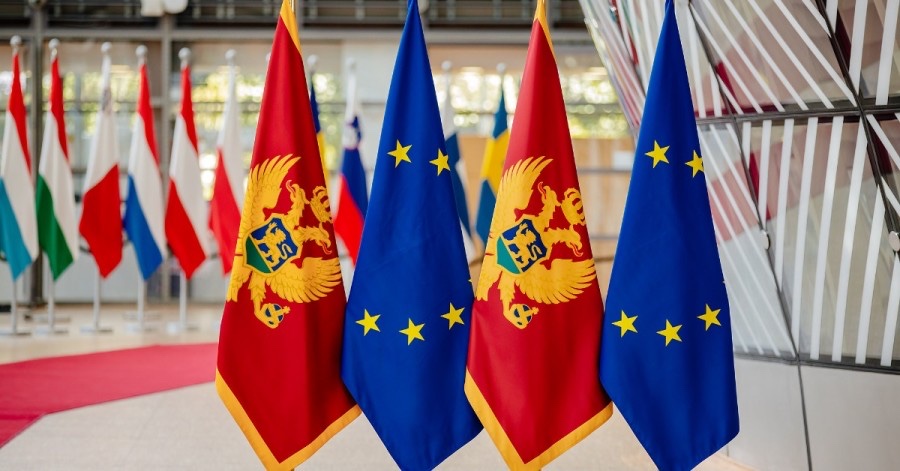
The European Parliament’s Committee on Foreign Affairs (AFET) has adopted the report on Montenegro by rapporteur Marjan Šarec. In this report, adopted with 56 votes in favor, 7 against, and 10 abstentions, Members of the European Parliament welcome Montenegro’s steady progress in EU-related reforms, strengthened by its ambition to conclude negotiations by the end of 2026. They also highlight Montenegro’s aspiration to become the 28th EU Member State by 2028.
The Public Broadcaster reports that Members of the European Parlimanet, pointing to the broad public support of Montenegrin citizens for the country’s European path, encourage all political actors to remain focused and maintain the country’s momentum toward the successful completion of accession negotiations.
The European Parliament’s rapporteur for Montenegro, Marjan Šarec, said that Montenegro is facing an extremely demanding year.
- There is little time and a lot of work to be done. This report should serve both as recognition of the progress achieved so far and as encouragement for the period ahead. Above all, it should be understood as a call to all stakeholders to demonstrate wisdom and responsibility, so that minor disputes do not overshadow - or derail - broader strategic goals - Šarec emphasized.
In addition to technical reform criteria, Members of the European Parliament say that Montenegro’s strategic European orientation and the unwavering commitment of its political representatives to the country’s independent statehood remain key political criteria in the EU accession process.
The report calls on all state authorities to ensure that political differences do not delay the adoption and implementation of EU-related reforms. It stresses that safeguarding the strategic goal of EU membership must remain a shared national priority above „party interests“ and calls on Montenegro’s parliament and government to prevent identity politics from diverting attention from the EU agenda.
In the adopted compromise amendments, Members of the European Parliament call for faster appointment of judges, using merit-based and transparent procedures, free from political influence, including appointments to the Constitutional Court and the Judicial and Prosecutorial Councils.
Serious concern was expressed over the continued delays in appointing judges to the Constitutional Court, „which risks undermining the full functioning of one of the key institutions for safeguarding the rule of law and EU integration“.
MEPs note concerns over the adoption of amendments to the Law on Internal Affairs and the Law on the National Security Agency, despite strong criticism from the opposition and civil society, and call for transparent procedures and genuine cooperation and consultation, especially on all laws related to the EU integration process, with all relevant stakeholders, including the opposition, legal experts, and the European Commission.
The report highlights the importance of measurable and lasting results in implementing reforms, particularly in the judiciary, the rule of law, and public financial management. The fight against organized crime and corruption, as well as concerns regarding media freedom and civil society, also remain firmly on the agenda.
The European Parliament also calls for intensifying reforms, particularly in Chapters 23 and 24, as well as for final convictions in cases of high-level corruption and organized crime.
Members of the European Parliament welcome Montenegro’s strong and full alignment with the EU’s Common Foreign and Security Policy, including EU restrictive measures against Russia. They emphasize that Montenegro, as the most advanced candidate country, should continue to play a constructive and stabilizing role in the Western Balkans region.
The report expresses serious concern over persistent and intensifying malicious foreign interference, hybrid threats, and disinformation campaigns by actors from third countries. These aim to undermine Montenegro’s democratic institutions, social cohesion, and its strategic orientation toward the EU, MEPs say, highlighting in particular the malign influence of China, Russia, and Serbia.
The report on Montenegro is expected to be adopted in the form of a European Parliament resolution at the plenary session in June in Strasbourg.