



Gorčević: The essence of the civic concept is more visible than ever before, Montenegro is a state of all its citizens

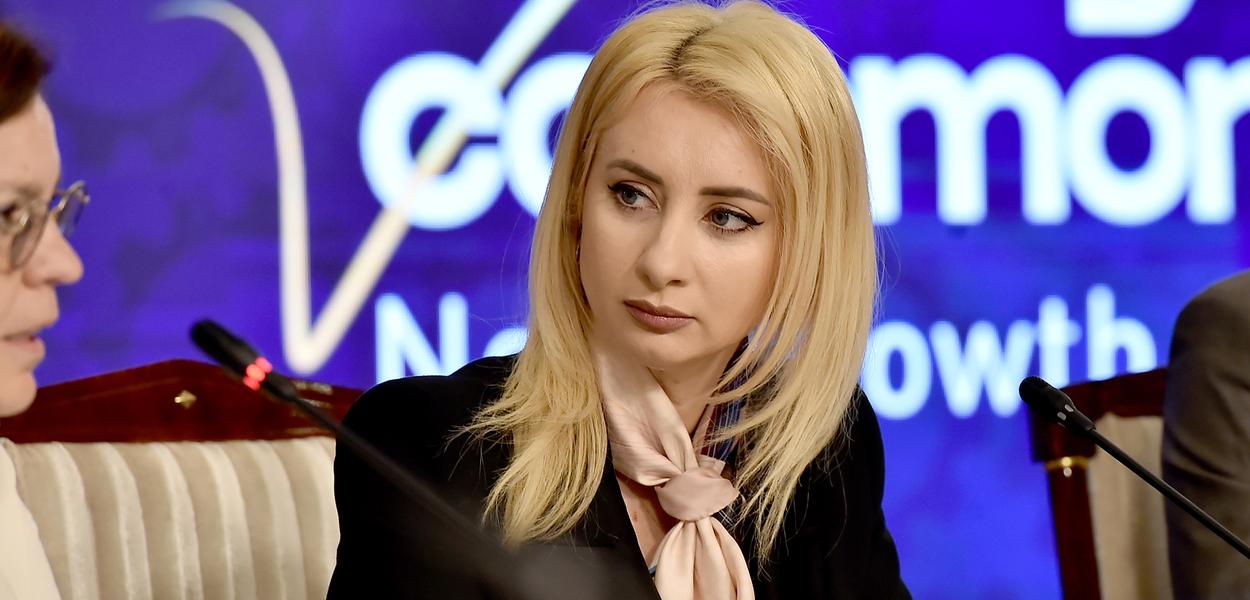
The civic concept of the state, as defined by the Constitution, is not under threat. On the contrary, despite various narratives, its essence is more visible and pronounced today than ever before. Montenegro is a state of all its citizens, and the very idea of freedom, equality, and coexistence is the essence of its strength, Minister of European Affairs Maida Gorčević said in an interview with Antena M.
She emphasized that Montenegro is recognized internationally as a reliable and responsible partner.
- If we compare 2006 with today, the difference is perhaps best reflected in the broader space of freedom that we all enjoy today - Gorčević said.
Antena M: On May 21, Montenegro marks 20 years since the restoration of its independence. Looking back on its journey since then, what are you satisfied with, and what has disappointed you?
Gorčević: When we compare Montenegro in 2006 with Montenegro today, we see a country that has undergone profound political, economic, and social changes. From a state that had only just restored its independence and was building its own institutions, we now have a NATO member, a credible international partner, and the most serious candidate for European Union membership, with the clear goal of becoming the EU’s 28th member state by 2028.
Over the past two decades, we have faced numerous challenges - from the global economic crisis and the pandemic to complex geopolitical circumstances. As a small economy, we were particularly vulnerable to these influences, but today we can speak of a country undergoing a strong economic transformation and building resilience to future challenges.
Since what matters most is what citizens actually feel, I would point out that through the Europe Now 1 and 2 programs, salaries and pensions have increased, living standards have improved, and the grey economy has been reduced, alongside a determined fight against unlawful practices that had undermined our system for years.
At the same time, we have opened space for a more dynamic and transparent society with far more opportunities than before.
Today, Montenegro is recognized as a reliable and responsible international partner, a country actively participating in regional and European processes.
Of course, we are aware that challenges remain, which is why we still speak about the path we are on rather than the destination we have reached.
Still, I would not speak of disappointment, but rather of an obligation to give our full contribution in order to seize this historic opportunity, accelerate development, and implement key reforms so that we can transform what we have into what we aspire to become.
Citizens today have greater expectations than they did in 2006 because they believe Montenegro is capable of much more and expect us to become the next member of the European Union. Those expectations represent the Government’s greatest responsibility - to turn what has already been achieved into even stronger economic development, more efficient institutions, and a better quality of life for all citizens.
Antena M: Do people in Montenegro live better today than they did in 2006? What do you consider the key change that still needs to be implemented, and how?
Gorčević: In many respects, people live better today. Citizens’ living standards have improved, infrastructure has advanced, incomes are higher, the tourism sector is stronger, and there are many more opportunities than before.
However, the key change ahead of us is the creation of a system in which progress will be sustainable and equally accessible to all.
That means further strengthening institutions, the rule of law, and creating an environment in which work, knowledge, and responsibility are truly valued.
Only in this way can we ensure that economic progress is not temporary but long-term and evenly distributed, and that citizens feel security and see their future here in Montenegro, rather than anywhere else.
For decades, our country has suffered from uneven regional development and population outflow, particularly from the north, which is why comprehensive progress and equal opportunities for all citizens are essential. Everything I have mentioned is part of the way to achieve this: Montenegro’s EU membership and access to cohesion funds, inflows of foreign investment, the development of a strong and resilient economy, and reliable partnerships with international institutions and organizations.
Antena M: Do you believe Montenegro is a politically and economically stable country where citizens feel secure and trust institutions?
Gorčević: If we compare 2006 and today, the difference is perhaps best reflected in the broader space of freedom that we all enjoy today.
In the past, there was a stronger sense of limitation and caution in public life, along with the awareness that certain boundaries existed, even if they were not always formally defined. Today, that space is significantly more open, and citizens freely exercise their right to participate in public processes, demand accountability, and be active members of society.
At the same time, rebuilding trust in institutions takes time, but thanks to concrete and internationally recognized results, we are moving away from a certain negative perception that was not in Montenegro’s interest.
That is precisely why it is important to demonstrate that the system is changing, that institutions are being strengthened, and that greater transparency also brings clear accountability, which is why I believe that today’s stability is not merely formal but genuine and deeply rooted.
Antena M: Do you believe that the civic concept of the state, as defined by the Constitution, is under threat today?
Gorčević: The civic concept of the state, as defined by the Constitution, is not under threat. On the contrary, despite different narratives, its essence is more visible and pronounced than ever before. Montenegro is a country of all its citizens, and the idea of freedom, equality, and coexistence is at the core of its strength.
Of course, in a dynamic political environment, there are various attempts to view society through different divisions. However, the institutional framework and the commitment of the majority of citizens confirm our civic character and our dedication to goals that are far more important than day-to-day politics.
Antena M: How do you see Montenegro’s relations with neighboring countries, and what do you consider the biggest challenges for its development over the next five years?
Gorčević: Montenegro maintains open dialogue and cooperation with neighboring countries based on mutual respect and the nurturing of good neighborly relations.
At the same time, this Government is working on resolving certain inherited issues in relations with neighbors that had been neglected for years.
That is why our approach remains responsible and principled. We are addressing all open issues through dialogue, institutional mechanisms, and European values, with the clear intention of building stable, partner-like, and friendly relations with all countries in the region.
As a leader in numerous processes, Montenegro will remain a reliable partner committed to regional stability and cooperation.
As for the next five years, I would not speak of challenges but rather of our greatest opportunities - above all, completing the long process of negotiations with the European Union, strengthening the rule of law, and continuing economic transformation in order to create a fully predictable environment in which our citizens will feel stability, progress, and confidence that their future lies precisely in Montenegro as a full member of the European Union.